





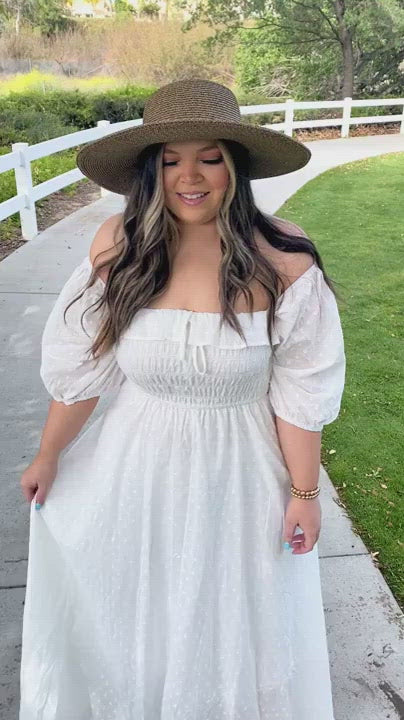
Solara Sun Hat
- Hat Orders $85+ Now 30% Off . code "summer30"
- 15% Off Site Wide. Code "summer"
- FREE US Shipping Orders $100+
- Returns & Exchanges For 30 Days
- Optional US Returns Program. Sign Up At Checkout
- Regular & Express Shipping Available
- All Orders Ship From California
- We Ship Worldwide!
- Over 100,000 Happy Customers
- In Business Since 1997
- Women Owned & Operated
- UPF 50+ Sun Protection
- Approved By Melanoma Foundation
We call this the country club and Southern belle stunner. We love the 4.25” wide brim all around that provides high sun protection with a UPF 50, saving your beautiful skin from the sun's harsh rays whilst providing an extremely stylish and versatile hat. The sash it comes standard with is black. However, it can be removed and replaced with your favorite designer or alternative color sash to match your personal style and outfits. The girls around here are notorious for swapping out the black with white and designer sashes to match their purses(see product images for example). In fact just last week we discovered a Hermes style sash that we swapped the black out with to match our newest pink handbag (a girl's got to live, LOL). This is definitely a fun hat that can be dressed up or down and the material is of great quality.
These are made in both sizes M (fits most standard women’s heads up to 57cm) as well as an XL, 2X, and 3X size. We recommend that you pack it with socks/undies in the crown to maintain its shape in your luggage or wear it on the plane to start your vacay early!
Material: 75% Paper and 25% Polyester
Inner Drawstring: Yes
UPF Rating: 50+
Included With Purchase: Toast sun hat with a black scarf
FREE: Standard Shipping to USA (3 - 10 days): Orders $100 or more.
Order Processing:
Most orders are shipped out typically same day or within 48 hours. All orders are shipped from our warehouse in San Diego, California. We ship orders using all major carrier (USPS, UPS, and FedEX), depending on destination. The system automatically assigns the quickest and most efficient route.
We do NOT ship to PO boxes. If you used a full address PO box and your package was returned to us as a result, you will be responsible for the shipping fees.
In very rare cases, 1% of the time, we get customers that email us stating they have not received their order after it has been posted as "Delivered" by USPS/selected carrier. If you have not received your package and it has been posted as delivered in tracking, please check your mailbox first, then contact the courier directly as only they can connect you with the courier that delivered or marked delivered the package. Unfortunately, we have no control of carriers or the package once it leaves us so if it has been marked as delivered we must take carrier's word that it has been. If you contact them we have never had an unresolved issue of it still being missing.
For promo discounts, if missed at time of purchase, it is no issue at all. However, we ask that you please email us within 24 hours of placing the oder in order for us to manually apply it. If an order has already been shipped, then discount code will no longer apply in retrospect.
For domestic shipments, you should expect a notification when package has successfully been delivered. If for any reason you do not find the package soon after receiving delivery notice, we recommend that you wait until end of business day, sometime even 24 hours after. Our customers have experienced discrepancies between the time such notification is sent out and the actual delivery time of package. Please make sure your package was not picked up by someone else at your residence. We also recommend that you check with your local postal delivery person, just in case, and feel free reach out to our customer service so that our team is also aware of the issue. We recommend that you do so within 24 hours from the time delivery notification is sent out.
Standard Shipping:
We find that most of our customers receive their purchases within 3-5 business days of processing.
Expedited Shipping-Cost/timeframe vary based on option selected at checkout
Expedited shipping cost varies for domestic US shipping destinations. Expedited shipping with the USPS (USPS Priority) typically takes up to 4 business days to arrive.
Also, please note, UPS Ground is not considered expedited shipping and normally takes up to 5 business days to arrive. Please use USPS Priority or even express options for expedited shipping.
Please note: we cannot guarantee shipping speed/timeframe, nor influence the process with the USPS. Our guarantee is fast processing time, and that we will upgrade the shipping speed to Priority, per the order request. Should you decide to pay for expedited shipping, and package is delayed, we are not responsible nor liable. as a result, we do not issue shipping refunds on all expedited shipments, unless it was delayed by Sungrubbies team.
Find Your Perfect Fit: Sun Hat Sizing Made Simple
| Centimeters (cm) | Inches | US Hat Size | Fit Description |
|---|---|---|---|
| 54 | 21.26" | 6 3/4 | Small |
| 55 | 21.65" | 6 7/8 | Small |
| 56 | 22.05" | 7 | Medium |
| 57 | 22.44" | 7 1/8 | Medium |
| 58 | 22.83" | 7 1/4 | Large |
| 59 | 23.23" | 7 3/8 | Large |
| 60 | 23.62" | 7 1/2 | XL |
| 61 | 24.02" | 7 5/8 | XL |
| 62 | 24.41" | 7 3/4 | XXL |
| 63 | 24.80" | 7 7/8 | XXL |
| 64 | 25.20" | 8 | XXXL |
| 65 | 25.59" | 8 1/8 | XXXL |
| 66 | 25.98" | 8 1/4 | 4XL |
| 67 | 26.38" | 8 3/8 | 4XL |
How to Measure Your Hat Size
- A soft measuring tape or a piece of string and a ruler
- A mirror or a friend to help
- Pen and paper to jot down the size
Step-by-Step Instructions:
- Place the measuring tape around your head about 1/8 inch (0.3 cm) above your ear and across the mid-forehead—right where your hat will sit.
- Keep the tape snug but not tight. It should feel comfortable, like a hat would.
- Note the measurement in inches or centimeters.
- If using string, wrap it the same way, mark the length, then measure it with a ruler.
- Find Your Hat Size with the corresponding size on the below hat chart
Pro Tips:
Measure more than once to ensure accuracy. If you're between sizes, we always recommend sizing up for a more comfortable fit.
It is also known that different suppliers do in fact follow different sizing metrics. So, the chart, although universal, may vary from one hat maker to another.

Most Common Hat Sizing Questions:
Frequently Asked Questions
How do I measure my head for a hat?
Use a soft measuring tape around your head, just above the ears and across your forehead where your hat will naturally rest. Measure snugly—not tightly.
What is a 7 3/4 hat size in inches and centimeters?
A 7 3/4 hat size is approximately 24.25 inches or 61.6 cm which would be size 2XL.
My head measures 7 5/8 — what size should I buy?
If your head measures 7 5/8, look for a hat labeled XL or 24 inches (61 cm). Always double-check the brand’s size chart if available, but XL is generally the best fit.
What should I do if I'm between hat sizes?
If you're in between sizes, we recommend going one size up. It's easier to make a slightly larger hat fit with an inner drawstring or sizing tape than squeeze into a hat that’s too small.
What is the average hat size for men?
The average men’s hat size is approximately 7 3/8, which is 23 inches (58.4 cm) which is size Large
What is the average hat size for women?
The average women’s hat size is around 7 1/4, which equals 22.5 inches (57.2 cm).
What size is "One Size Fits Most" in hats?
Most “one size fits most” hats are designed to fit head sizes ranging from 22" to 22.4" (56–57 cm), which usually covers size Medium.
What size head does an XL hat fit?
An XL sun hat typically fits heads measuring 23.3" to 24" (59.3–61 cm), or around hat sizes between 7 3/8 and 7 5/8.
What hat size is 23 inches?
A 23" head circumference translates to a size 7 3/8, which is considered a Large.
I don’t have a measuring tape, can I guess my size?
If you absolutely must order without knowing your size, the best way to sort of guess is to try on a normal hat and see how much more room you would need, fingers wise. Each finger is generally about 2 cm. The difference for most people between each size, or 2 cm, is one finger width.
Useful tips to help you measure your hat size
Feel free to reach out to us with any wholesale inquiries. Please send your email to service@sungrubbies.com and include your full name, business name, products you're interested in along with any other relevant information.
Feel free to also visit our wholesale store on Faire.